
Cybersecurity Awareness Month: Common threats in 2026
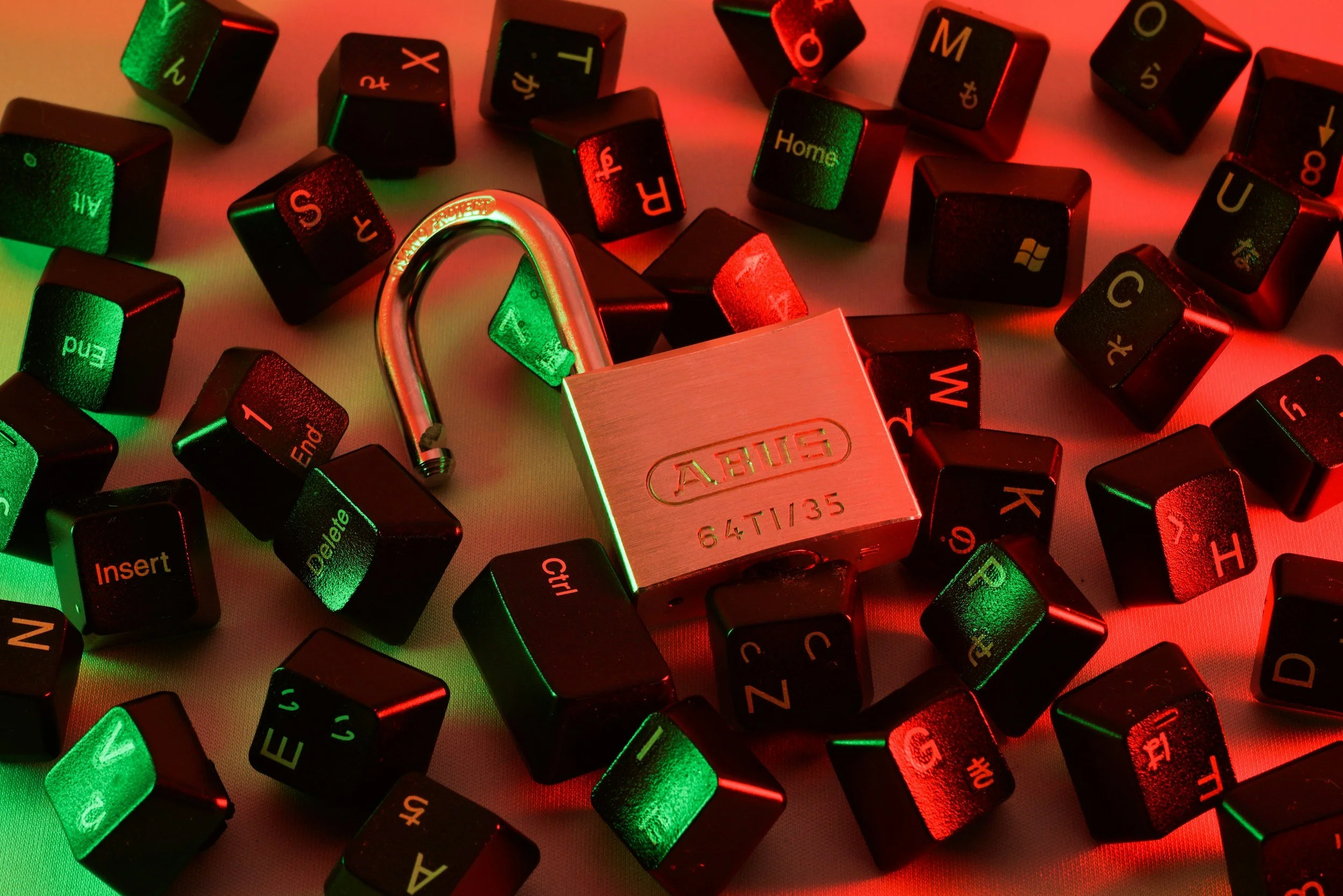
The theme for this year’s Cybersecurity Awareness Month is “Don’t Make it Easy for Them.”
We’re taking a look at the most common types of cyber attacks, what you can do to prevent them, the steps to take if you have one and how they might evolve.
Cybersecurity Awareness Month: Common threats in 2026
In 2026, cyber threats are in almost every corner of the internet. Whether their intent is to destroy computers, steal data, or take money, understanding what they are and how protection against them works will come in handy.
What are the most common cyber threats?
Cyber threats have evolved with technology over time so they come in many forms. Here are some of the most common threats you should know about.
Phishing Attacks
Phishing attacks are designed to make you give away your personal data through a phony message or fake websites. This is why it’s incredibly important to always check the sender’s email address, and well as the spelling or layout of any links included. If something seems wrong, do not click the link to see if it’s legitimate or not.
Ransomware
Ransomware is a type of software that locks your files and demands money to unlock them. Spreading through email attachments or unsafe downloads, it’s important not to open or download anything that might seem suspicious. To prevent an attack, keep your software up to date and always store backups of your files.
Malware
Malware is bad software that causes damage to your computer and can steal data or spy on you. It might pose as other software to get you to download it. Use antivirus software and only download software from verified sources.
How can you protect yourself online?
Cyber threats unfortunately aren’t going away any time soon. Luckily, there are some simple steps that you can take to protect yourself from them.
Use strong passwords
It’s important to use strong and unique passwords for each of your accounts, both personal and work-related. A strong password includes letters, numbers and symbols, and is often longer than the minimum amount of characters accepted. Change your password regularly or use an encrypted password keeper.
Enable two-factor authentication
Two-factor authentication is an added layer of security, meaning that you’ll need to use a second device or service to confirm your identity. This might be getting a code on your phone or via your email. Whenever possible, turn that on and link a service that you know you’ll have access to.
Be careful with public wi-fi
Most public Wi-Fi is not secure, as it does not require a password to access. It’s incredibly easy for hackers to hack into the data of people who use public networks, and steal information from sites and services you access while on those networks. Always use a virtual private network (VPN) when using any public Wi-Fi network.
Why is cybersecurity important for everyone?
Cybersecurity doesn’t only apply to big corporations. In fact, small businesses are often considered “easier targets” by hackers. You can prevent yourself from being targeted by taking simple steps.
Protect personal information
Your personal information can be stolen and sold, and cybercriminals can use it for identity theft or fraud. Be careful about what you share online and keep your personal accounts private if you can.
Secure financial transactions
Online banking and shopping can be convenient, but are risky if not done securely. Double check if you’re using a secure website and monitor your accounts regularly for any suspicious activity.
What if you’re a victim of a cyber attack?
Sometimes, despite all precautions, you may still experience a cyber attack. It’s important to know what to do next if you do become a victim of a cyber attack.
Report the incident
You should immediately report any cyber attack against you to the authorities. This will help in investigating the origin and perpetrator, as well as help to conserve your remaining data.
Change your passwords
If you suspect you’ve had a breach, you should immediately change all of your passwords. This prevents further unauthorised access to your accounts, as well as resecures any accounts already affected.
How will cyber threats evolve in the future?
Just like the technology they use, cyber threats will continually change as new platforms and software are released. You should stay up to date on the latest threats to reduce your chances of being targeted.
AI-Powered Attacks
Even now, AI is being used to find targets for cyber attacks and to execute them sophisticatedly. As AI evolves, so will the threats that utilise it.
Internet of Things (IoT) vulnerabilities
With more and more devices connecting via the internet, they start to become the main targets of hackers. All devices, even the ones you might not think will be affected, should have cybersecurity measures installed if possible.
Our four-step approach
Sign up to our in-house monitoring service with our experienced techs watching over your network 24 hours a day. Our status system gives you peace of mind that your IT systems are working efficiently and effectively for data security and functionality.
You’ll receive:
Rapid response to faults and questions
Access to training and advice
Manual system checking
Monthly reporting of events, systems, health and concerns
Reduced hourly rate if work is required
Expertise to consult on suitability of new software, hardware, and their possible impacts
Preventative solutions and less downtime
Read more about in-house monitoring on our cybersecurity page.